
Magnet Pendulum Painting: A Fun Science Art Activity for Kids
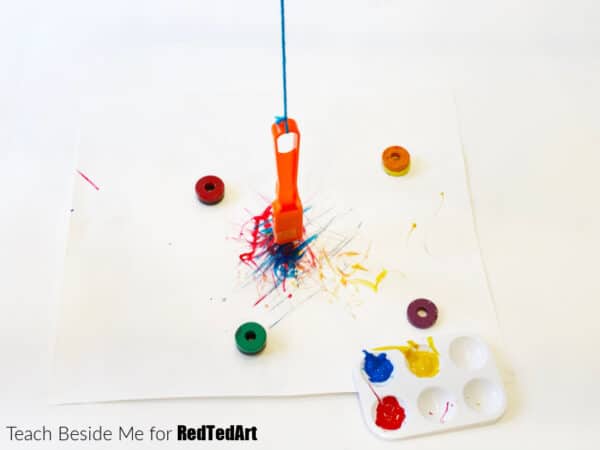
Here is a fun little science come art activity for you… today we take a look at Magnet Pendulum Painting! A fun sample project from the fantastic Science Art & Drawing Games for Kids book! This is a great activity that you can do both indoors and outdoors.. though personally, I think this would be extra fun in the summer months – and to take it into the garden. A great “large” art project for kids. This would make amazing DIY Gift Wrap!
Please note: this project has been reproduced with permission from the author and is not allowed to be republished in any way, without their constent. It is for personal use only.
Also note: affiliate links have been added to this post – should you choose to purchase via these, I will earn a small commission that goes towards the upkeep of this site!
Introducing today’s Guest Writer:
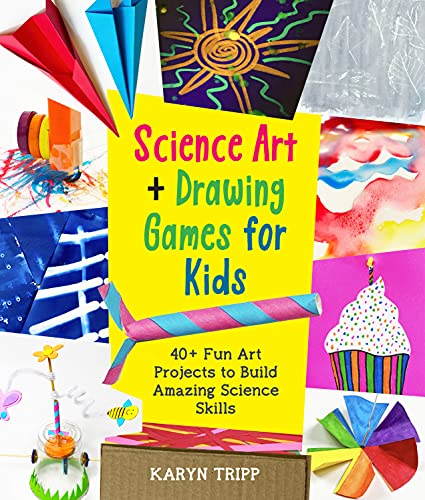
Karyn Tripp is the creator of Teach Beside Me, a popular website filled with creative science, art, and hands-on learning activities for kids. She enjoys helping children explore scientific concepts through creativity, experimentation, and play.
She is the author of Science Art and Drawing Games for Kids, which features engaging activities that combine science and art to make learning interactive and memorable.
More science art activities can be found at TeachBesideMe.com
Magnet Pendulum Art Science Activity
Magnet pendulum painting is a fascinating way to combine art and science while creating beautiful abstract designs. This hands-on STEAM activity allows children to explore motion, gravity, and magnetism in a creative and engaging way.
By suspending a magnet with a paintbrush and using additional magnets to influence its movement, kids can create unique patterns while learning how forces affect motion. Each painting becomes a one-of-a-kind experiment and work of art.
This creative science art activity comes from Science Art and Drawing Games for Kids by Karyn Tripp of Teach Beside Me, a book filled with hands-on projects that help children explore scientific concepts through drawing and artistic experimentation.
What is a Pendulum?
A pendulum is an object that swings back and forth when suspended from a fixed point. Gravity pulls it downward, while its motion carries it forward, creating smooth and predictable patterns.
When magnets are added, they influence the pendulum’s path, changing how it moves. This allows children to experiment and observe how invisible forces affect motion.
Supplies Needed for your Pendulum Art Project
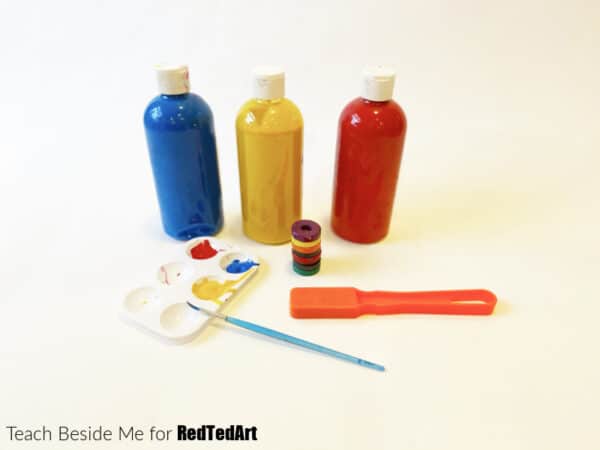
- broomstick, dowel, or pole
- two chairs or stools
- string or yarn
- magnet wand or strong magnet
- additional magnets
- small lightweight paintbrush
- paint (liquid watercolor or tempera works well)
- large sheet of paper – rolls of paper are great
How to Make Magnet Pendulum Art
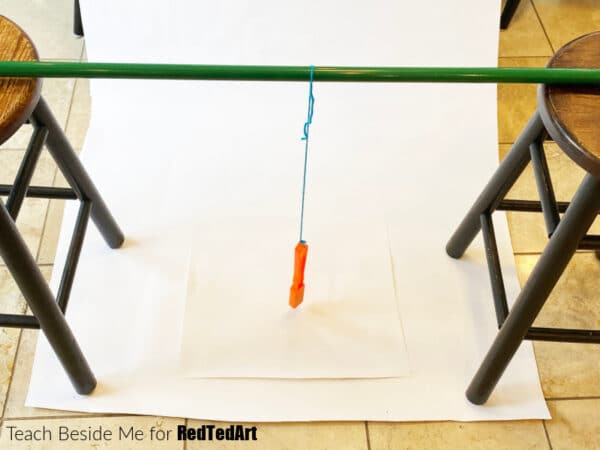
Step 1: Create the pendulum
Place a broomstick across two chairs or stools. Tie a piece of string to the center of the broomstick. Attach a magnet wand or strong magnet to the end of the string so it hangs freely.
Make sure there is enough space below for the pendulum to swing.
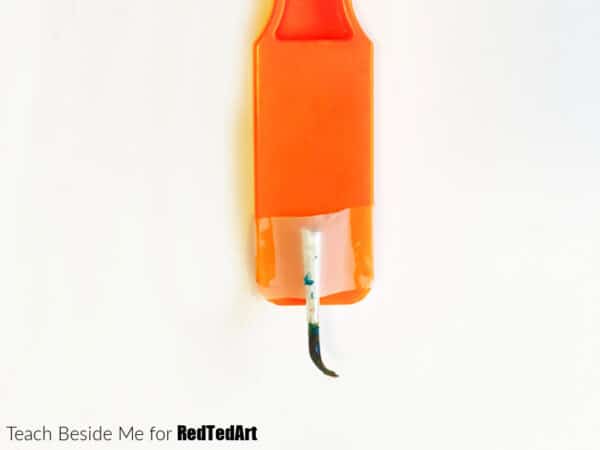
Step 2: Attach the paintbrush
Tape a small, lightweight paintbrush to the bottom of the magnet. The lighter the brush, the easier it will swing and move smoothly.
Step 3: Position the paper and magnets
Place a large sheet of paper beneath the pendulum. Arrange additional magnets on or under the paper. These magnets will influence how the pendulum moves.
Experiment with different magnet placements to see how the motion changes.
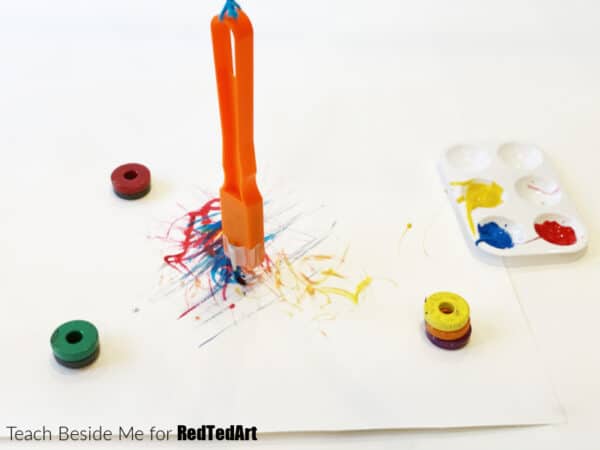
Step 4: Begin painting
Dip the paintbrush in paint and gently set the pendulum in motion. Watch as it swings and creates fascinating patterns across the paper.
Try different colors, starting positions, and magnet placements to explore new effects.
The Science Behind the Art
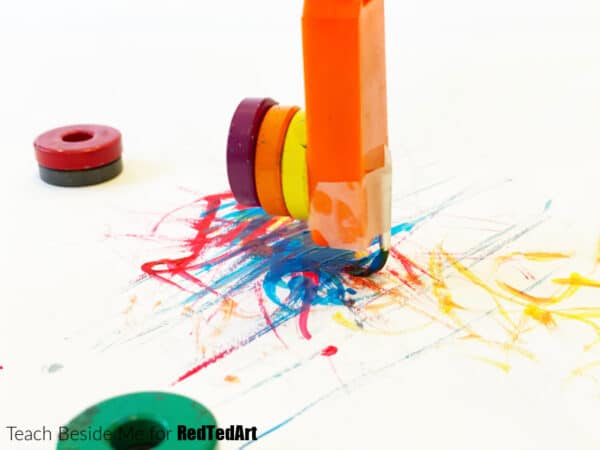
This activity introduces children to important scientific concepts, including:
- gravity
- kinetic and potential energy
- magnetism
- motion and force
Children can observe how changing variables affects the pendulum’s movement, helping them develop curiosity and scientific thinking skills.
Ideas for Further Exploration
Try experimenting with:
- different string lengths
- different paint colors
- different magnet arrangements
- starting the pendulum from different positions
Each variation creates new patterns and discoveries.
If you enjoyed today’s activity and feeling inspired to get more hands on Science Art-y, why not check out Karyn’s gorgeous book here:
